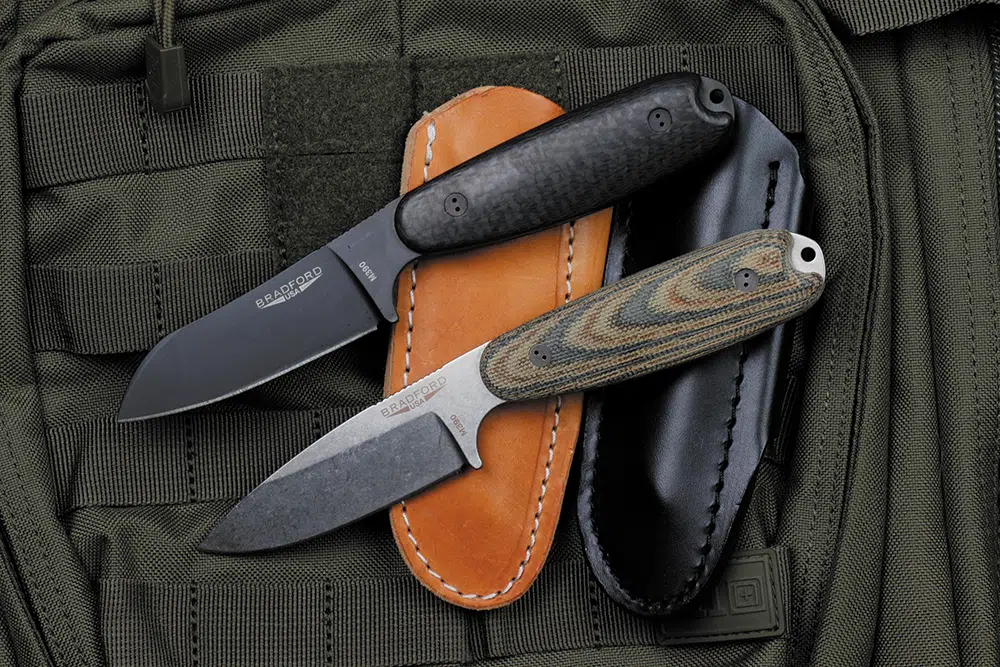

Choosing the right knife setup can improve daily use, storage, and access. People often focus on blade shape or handle design, yet carrying style also matters. A proper arrangement helps keep the tool secure while allowing smooth access when needed. Understanding different carry methods can help users select an option that matches personal habits and intended tasks. The Scout Carry Knife remains a popular choice because it offers a practical position that supports convenience and balance. Learning the key features behind this carry style helps users make better decisions while avoiding common mistakes when selecting equipment.
Scout Carry Knife Benefits
A Scout Carry Knife sits horizontally across the back area of a belt. This position helps reduce movement during activity while allowing quick access. Users often appreciate the balanced placement because it can feel natural during regular movement and daily tasks.
Common Choice Factors
Several practical elements influence satisfaction and help users identify suitable carrying arrangements for regular needs.
- Consider personal habits because daily routines often affect which setup feels natural during movement.
- Review sheath attachment methods to ensure dependable placement and reduced shifting during normal activities.
Material Quality And Durability
Material selection affects longevity and overall performance. Strong construction helps resist wear while maintaining reliability over time. Durable components often require less maintenance. Paying attention to build quality allows users to invest in equipment that remains dependable through repeated use.
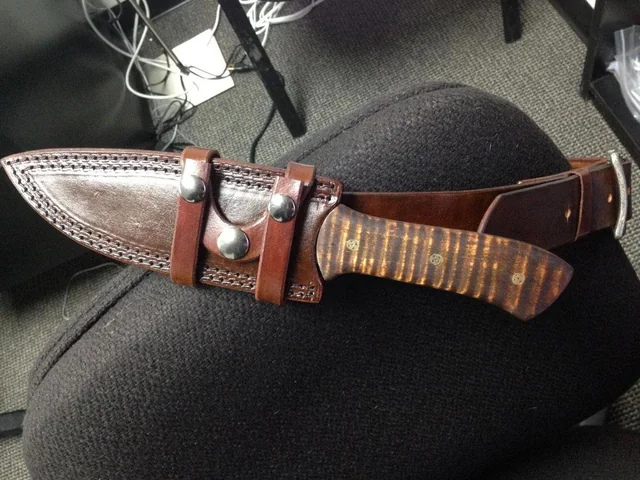
Placement Options For Flexibility
Different belt positions can change accessibility and comfort. Some users prefer center placement while others adjust slightly to one side. Experimenting with locations helps identify personal preferences. Flexible placement options allow individuals to create a setup that feels natural.
Maintenance For Long Use
Regular care helps preserve function and appearance. Cleaning the blade and checking the sheath condition prevent unnecessary issues. Routine inspection can reveal wear before it becomes serious. Consistent maintenance supports dependable performance while extending the useful life of equipment.
Choosing Based On Purpose
Intended use should guide every selection decision. Tasks requiring precision may benefit from different features than general utility work. Understanding personal needs simplifies comparison. Matching design characteristics to expected activities often leads to greater satisfaction with the choice.
Quick Selection Reminders
Selecting wisely becomes easier when key details remain clear during comparison and purchase decisions.
- Check handle shape carefully to ensure a steady grip during regular use and repeated cutting tasks.
- Match blade size with intended duties to improve control while reducing unnecessary carrying difficulties daily.
Selecting a suitable setup requires attention to comfort, security, durability, and intended use. Each factor contributes to overall satisfaction and dependable performance. Reviewing available features carefully helps narrow choices while reducing uncertainty. Testing different arrangements can reveal which design works best for personal routines. A thoughtful approach often leads to better long-term results and greater confidence during everyday use. Whether focusing on blade size, sheath construction, or carrying position, careful evaluation creates a more effective solution. A well-chosen Scout Carry Knife can provide reliable function while supporting practical carrying needs for years.